Preserving Georges Méliès: An Interview with His Great-Granddaughter
Interview conducted by Sofia Nyiri Robinson Honors Fellow, University of North Carolina at Chapel Hill

I spent my summer in Paris and Lyon, France, conducting archival research on whom I believe to be two of the most influential founders of cinema: Georges Méliès and the Lumière Brothers.
While the Lumière Brothers employed everyday realism—the focus on capturing life’s mundane moments—to connect cinema to the masses, Méliès took a radically different approach by transforming Parisian theaters into captivating realms of fantasy through magical set designs and innovative editing techniques. These pioneering approaches laid the groundwork for the different immersive environments that modern cinema would later come to perfect.
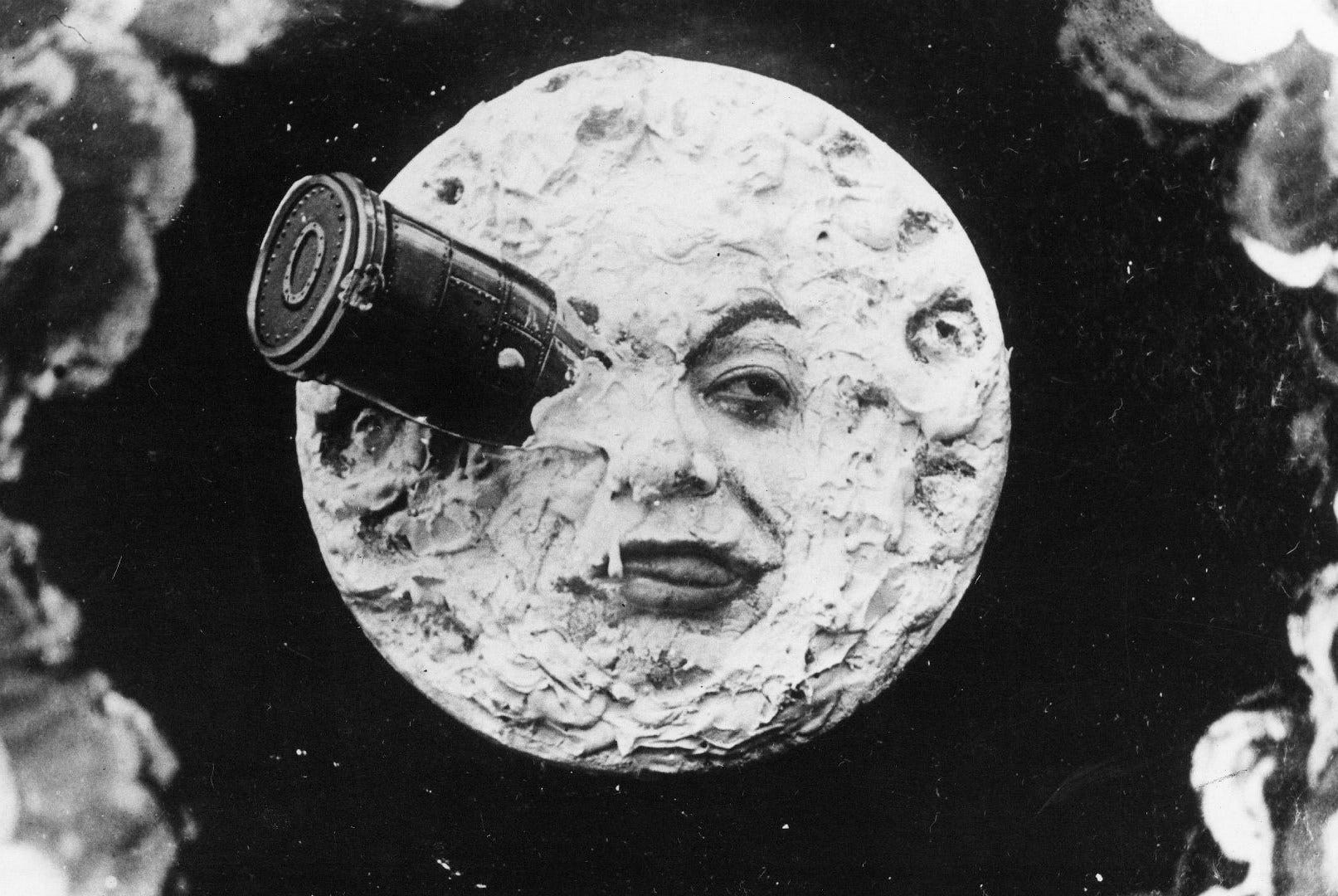
Thanks to the Anne L. and S. Epes Robinson Honors Fellowship, I had the opportunity to dive deeper into the question of how each filmmaker uniquely engaged with Paris, examining their distinct approaches and their lasting impact on the aesthetics and production of contemporary cinema.
This research led me to reach out to the Cinémathèque Méliès–Les Amis de Georges Méliès association, which put me in correspondence with Anne-Marie Malthète-Quévrain, one of Georges Méliès’ great-granddaughters and the general secretary of the organization.
With remarkable generosity, she spent two mornings with me in a quaint bistro in the heart of Paris, discussing her family history and her role in the preservation of Georges Méliès’ legacy. I hope you enjoy our conversation below, and I extend my sincere thanks to Anne-Marie Malthète-Quévrain for entrusting me with her story.
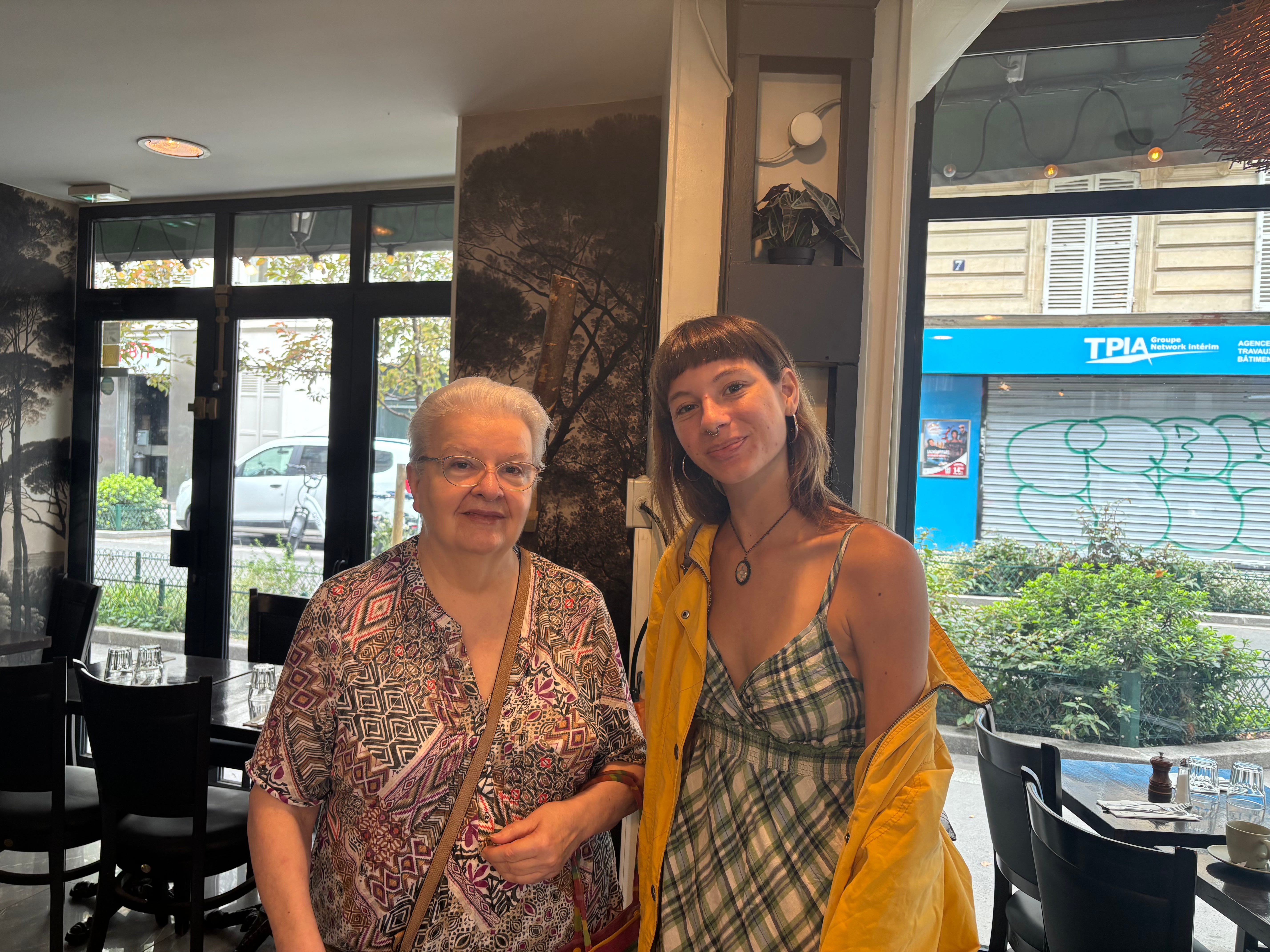
Disclaimer: This conversation was translated from French and edited for clarity.
To begin, could you introduce yourself and explain your personal and family connection to Georges Méliès?
Hello, my name is Anne-Marie Malthète-Quévrain, I am 80 years old, and I am one of Georges Méliès’ two great-granddaughters. I am the granddaughter of Georgette, Georges’ daughter, and my cousin Marie-Hélène Lehérissey is the granddaughter of his son André. I have two brothers, and one of them, Jacques Malthète, is the author of articles, lectures, and academic books about our ancestor. Since 1979, I have been the volunteer general secretary of the Cinémathèque Méliès-Les Amis de Georges Méliès association, which my parents founded in 1961.
Marie-Hélène has three brothers and presented Méliès’ films all over the world when she took over this role from my mother. So there are seven of us from the same generation, each involved to varying degrees in preserving the memory of our great-grandfather. We have all had different professions, but none in the film industry.
Talking about our family history is essential to understanding why people around the world continue to seek out, study, and appreciate everything Méliès created, and to enjoy watching his films, even though he stopped making them more than a century ago.
In 1923, Méliès was ruined; his house and belongings were sold to pay his debts. He had to get rid of his films, both positives and negatives. Homeless, he married one of his former actresses (Jehanne d’Alcy on stage), a widow like himself, and ran a toy and candy shop at the Montparnasse train station.
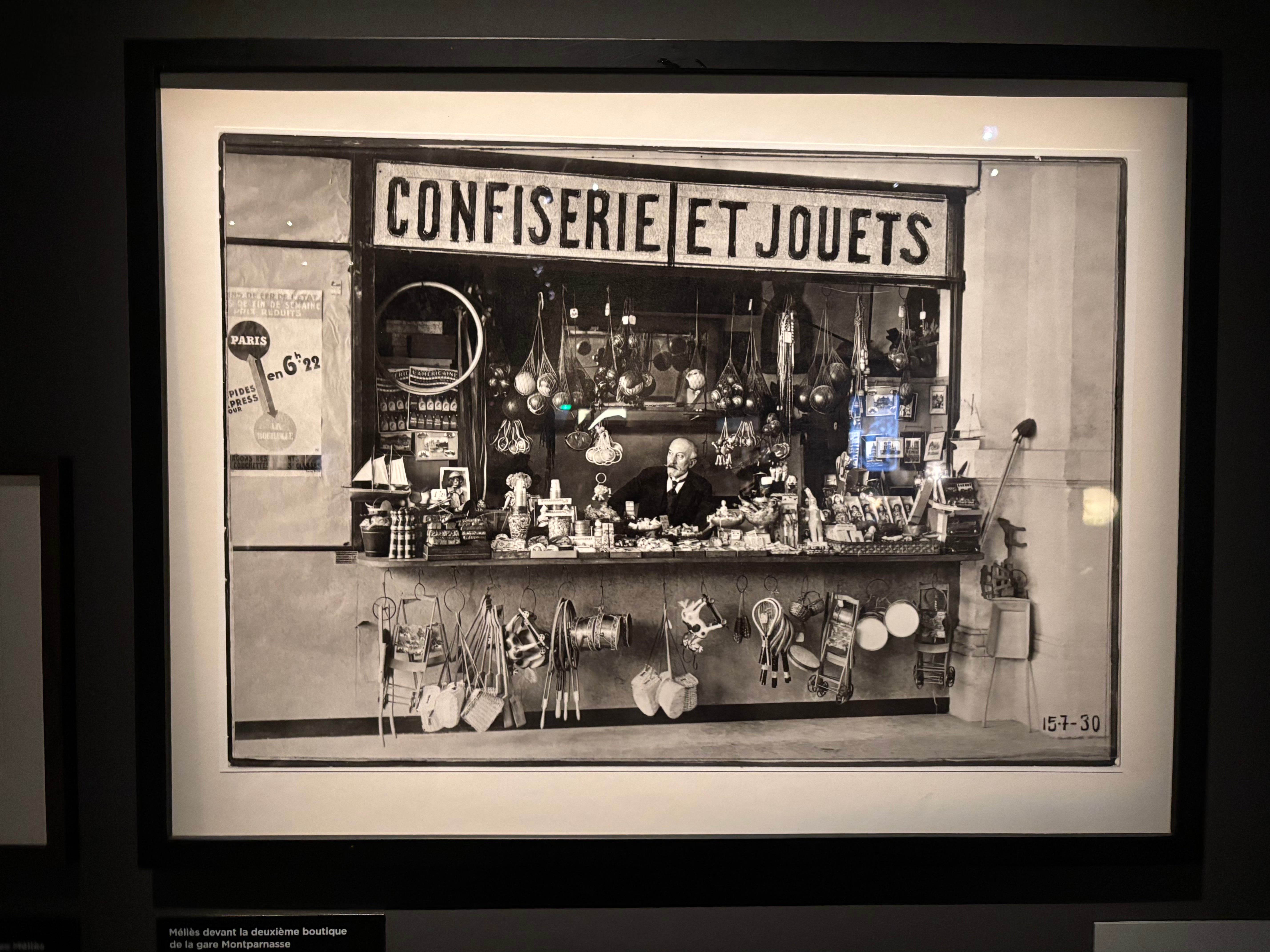
Méliès’ daughter, Georgette, died in 1930. Her husband, like her, was an opera singer who had to travel frequently. Georgette’s daughter, Madeleine (my mother), aged 7, went to live with Georges Méliès and his wife in a flat near the train station. At the end of 1932, the three of them moved to a retirement home, the Château d’Orly, near Paris. In Martin Scorsese’s film Hugo, the character of Isabelle, young Hugo’s friend, is directly inspired by my mother, Madeleine.
How did the decline and eventual rediscovery of Méliès’ work unfold in France, particularly during the late 1920s?
After the First World War, audiences preferred serials that told realistic stories with twists and turns. Also, American (Hollywood) cinema was gradually gaining ground in Europe. By this time, Méliès’ films no longer interested the public, and many of them were destroyed.
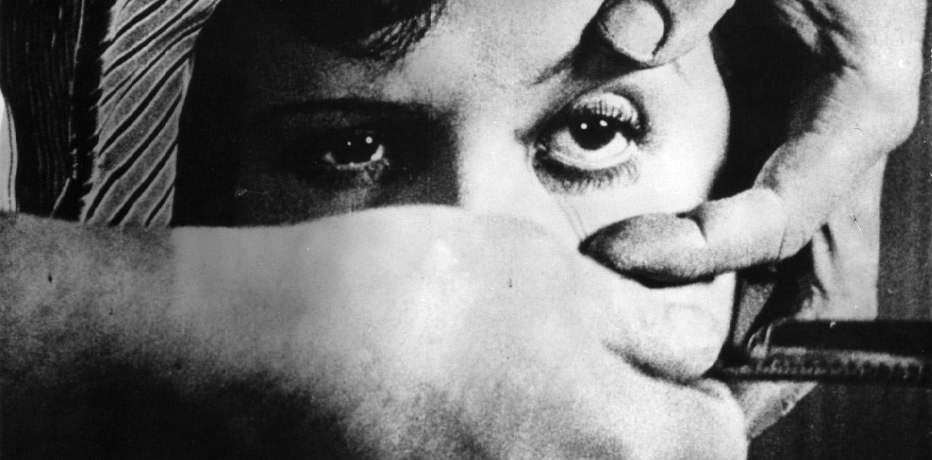
In the mid-1920s, young avant-garde filmmakers like Germaine Dulac, Luis Buñuel, and Salvador Dalí wanted to film differently. Some were part of the Surrealist movement. With the advent of talking pictures (talkies) at the end of the 1920s, silent films began to be destroyed. The cinephile movement then emerged; people felt nostalgic for older films that had already disappeared or were about to disappear: perhaps the films they had seen as children? Journalists tracked down Georges Méliès in his toy shop at the Montparnasse train station. They remembered his importance to cinema, but his films had disappeared.
Luckily, some young film enthusiasts discovered a collection of old films, including eight of Méliès’. In December 1929, a grand gala was held in Paris at the Salle Pleyel, during which Méliès presented the eight films to great acclaim. My mother, Madeleine Malthête-Méliès, was there when she was six and a half years old. The films were then shown in a small cinema in Montmartre that also screened avant-garde films. This marked the first rediscovery of Méliès.
What role did film institutions and organizations play in solidifying Méliès’ place in film history?
A few years later, a renewed interest in Méliès arose thanks to a group of young people who had created a Film Circle on the Champs-Élysées. These young people searched for, preserved, and screened silent films, including some by Méliès. Henri Langlois and Georges Franju, who admired Méliès, invited him to present his films at the Film Circle. They then founded the Cinémathèque Française in 1936.
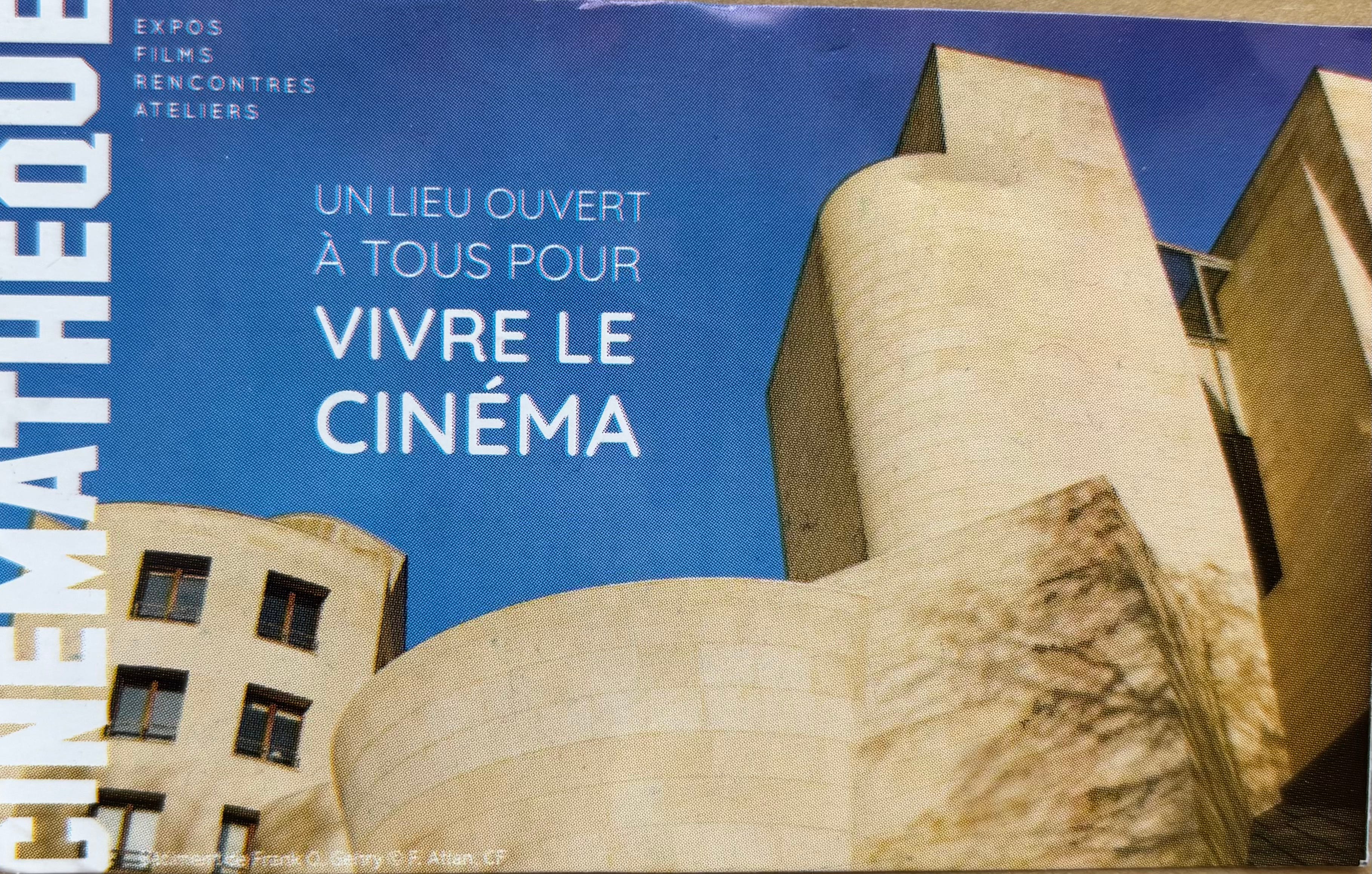
After the Second World War, the German army seized some of the films from the Cinémathèque Française. Henri Langlois continued to organize events in tribute to Méliès (who died in January 1938) with his widow and his granddaughter Madeleine (my mother). Only nine films remained in France, so Langlois had to borrow other Méliès films from archives in Europe and the United States. Thanks to these foreign archives, the memory of Méliès was maintained until the end of the 1950s.
My mother had already toured Northern European countries, showing four Méliès films at the end of her hour-long lecture, and presenting her own Méliès drawings in a small traveling exhibition. She was on assignment for the Ministry of Foreign Affairs, and the mission was a great success! The Minister wanted to continue sending her abroad, but she refused as it was too complicated with her very young children.
Do you know when exactly you became personally involved with Méliès’ films and legacy?
Yes, it was at this point that my brothers and I began to participate, almost against our will, because our great-grandfather’s films seemed strange to us compared to the children’s films we were somewhat familiar with—talking cartoons. We attended a few rare retrospectives and events organized at the Cinémathèque Française, such as the one in 1955, for the 90th birthday of our “Grandma Fanny,” Georges Méliès’ widow (I was ten years old, and my brothers were nine and eight).
What role did institutional politics and archival relationships play in the preservation of Méliès’ work during this period?
In the late 1950s, Henri Langlois, who had founded the French Film Archives Federation (FIAF), which brought together film archives from foreign countries, had a falling out with the FIAF president, and the Cinémathèque Française was excluded from the FIAF for 15 years.
In 1961, France organized events to celebrate the centenary of Méliès’ birth. My mother had many drawings by Méliès, inherited from Fanny. By that time, she had also located more than a dozen films—purchased from collectors or flea markets, given to her by illusionists, or acquired through exchanges.
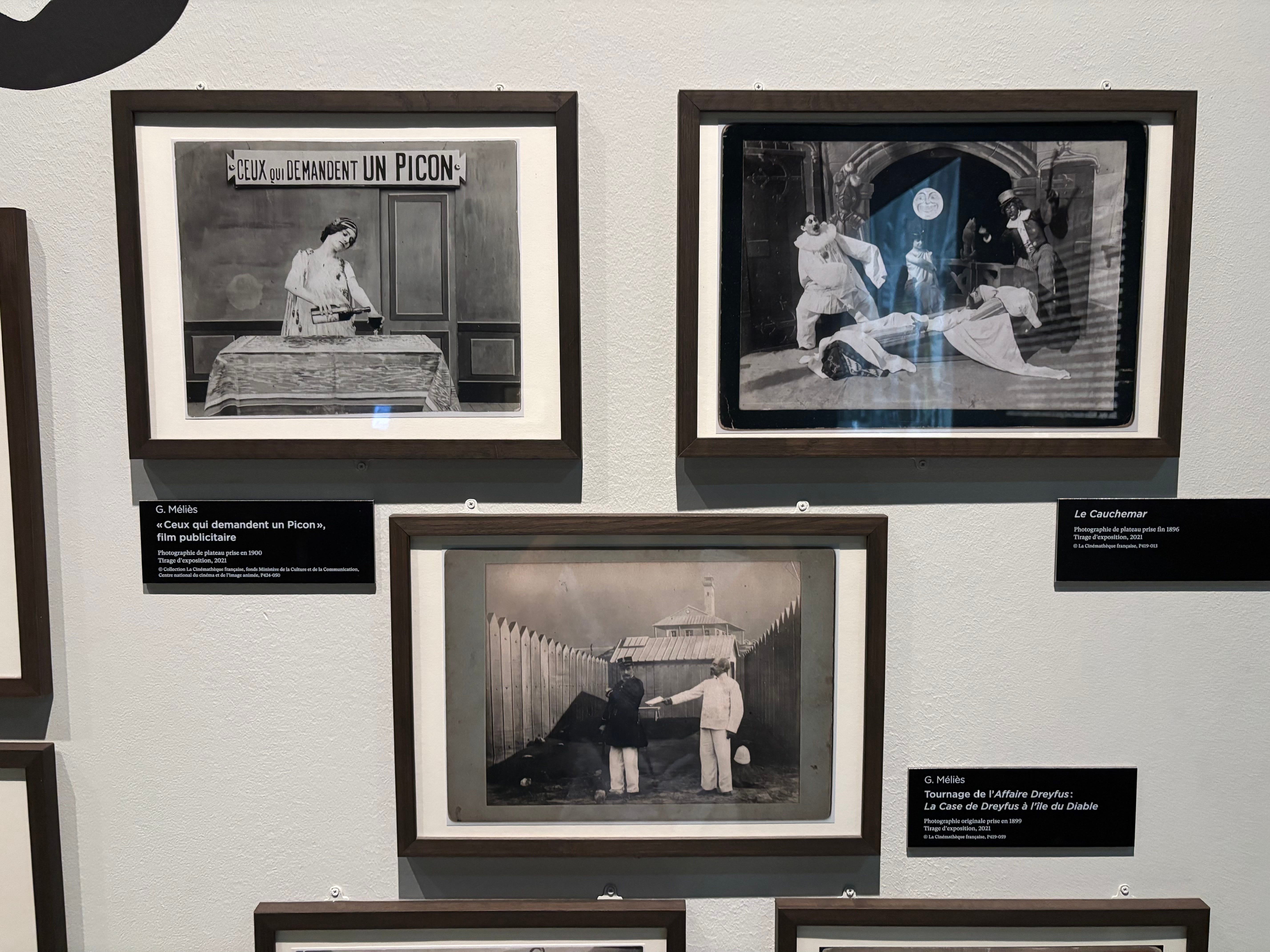
She participated in the major exhibition organized by the Cinémathèque Française and the Federation of Decorative Arts, and this led, at my father’s initiative, to the creation of a non-profit association (under the 1901 French law) to manage this collection, which is now called the Cinémathèque Méliès.
The FIAF also wanted to celebrate Méliès in 1961, at its congress in Budapest, by inviting my mother and her Cinémathèque Méliès association. The Méliès family continued its relations with foreign archives that were members of the FIAF. This was a good decision, because my mother resumed her trips abroad when we were teenagers, which allowed her to visit FIAF member archives, identify films by Méliès, exchange films with these foreign archives and local collectors, and expand her film collection. She also continued to buy Méliès’ drawings at auctions thanks to her royalties.
She made extensive trips to North America with my father, which allowed them to identify two large collections of Méliès’ films and to discover a batch of Paper Prints films deposited at the Library of Congress in Washington.
In the late 1970s, they were able to obtain copies of these films and expand the collection, which then reached almost 140 films. A room at the back of their apartment was dedicated to viewing and editing these films, on 16mm and 35mm editing tables, using white gloves and physically splicing the film. My parents did this manual work themselves, along with Jacques, my youngest brother, who still lived with them.
How did you and your family begin presenting Méliès’ films to the general public?
My father died in 1978, and I succeeded him as general secretary of the Cinémathèque Méliès. New members, passionate about Méliès, took the initiative.
For example, Pierre Arias and his wife Nano persuaded my mother and André Méliès to put together a 90-minute film program, accompanied on piano by a classically trained jazz musician, with the films presented in 1900s costumes. This show was performed at the end of 1978 in a Parisian theater.
Next year, another program was presented in a movie theater near the Quartier Latin. This is how my mother created the film-concerts, presenting Méliès’ films to the general public rather than only to VIPs at major events. We created ten programs of 10 to 15 films each, and the collection reached up to 196 films by the end.
The most intense and productive period, in terms of exhibitions, publications, and film-concerts worldwide and in France—a period involving three generations of Méliès’ descendants—spans from 1981 to 2014, and I cannot summarize it here.
We launched four international symposiums in Cerisy-La Salle. The fourth, which I initiated, will take place from August 3 to 9, 2026, in Cerisy-la-Salle, where we will celebrate the 130th anniversary of special effects in cinema. Readers can find a summary of our activities up to 2010 by searching for “La Cinémathèque Méliès” on the English Wikipedia. Our website in French can be reached here: www.meliesfilms.com.
Which areas of Méliès’ work do you believe remain understudied, and what challenges have prevented deeper research in these areas?
Large sections of Georges Méliès’ work remain to be studied. For example, his significant theatrical activity began as director of the Robert-Houdin magic theater, where he created some thirty grand illusions. These have been cataloged but not yet analyzed, as the assistance of magicians such as David Copperfield would be necessary.
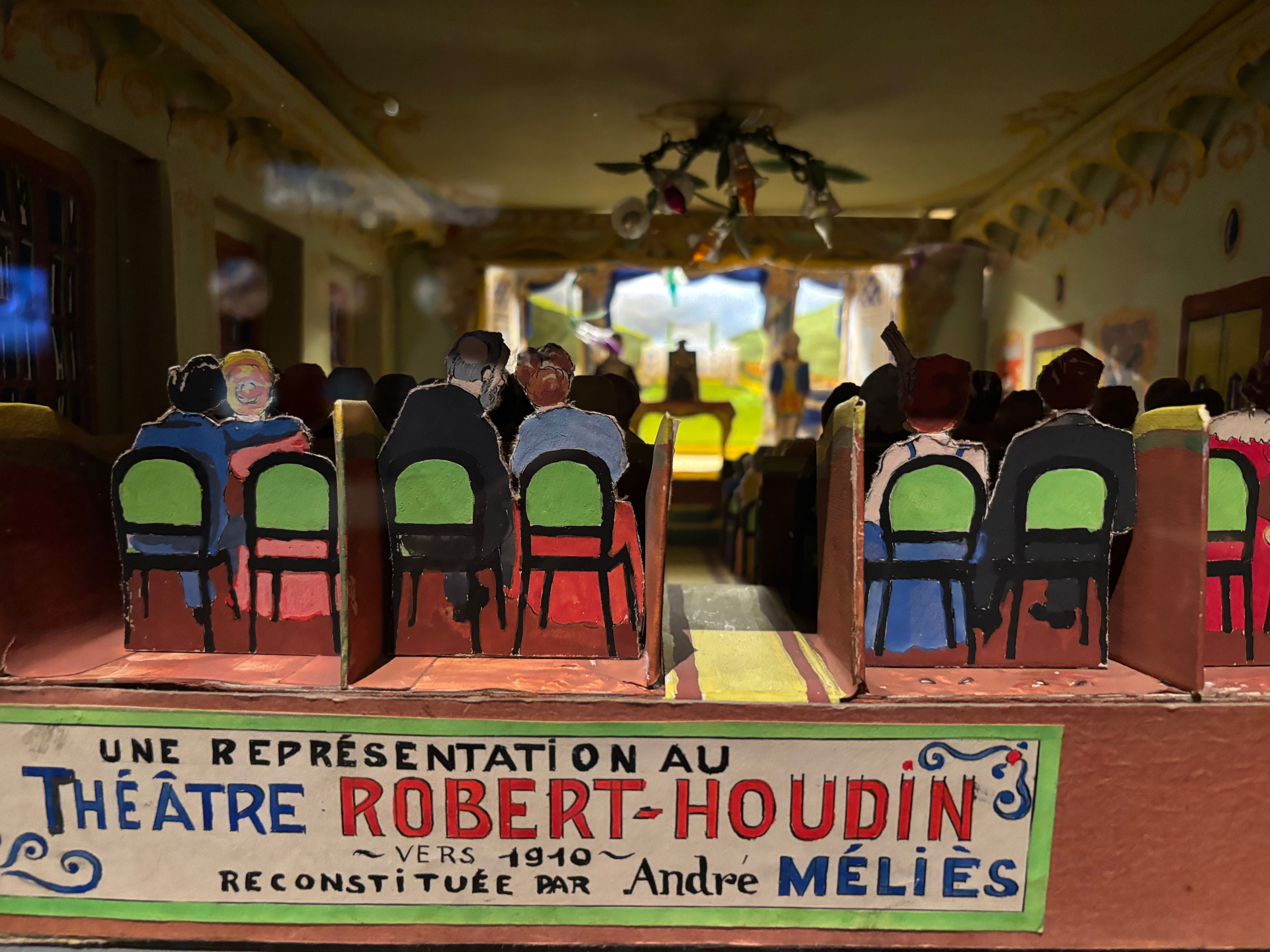
Then, his role as director of the Théâtre des Variétés Artistiques, a lyric theater he founded and ran with his daughter and son in Montreuil, adapted from his second film studio in 1915 after he ceased film production. His year-long stay in London and his apprenticeship in magic with the British magician Maskelyne remain unexplored. Also, his long practice of caricature, including political caricature, remains little known.
Directors, who use special visual effects in film to tell fantasy or science-fiction stories, acknowledge that they have inherited from Méliès, who filmed these kinds of stories thanks to his skill in creating and combining all sorts of special effects. We can cite Steven Spielberg, George Lucas, James Cameron, and Martin Scorsese (who in a completely different genre, pays homage to him).
Young American researchers who would like to work on Méliès’ oeuvre encounter an obstacle: the French language. Méliès was French, his family is French, and research in French is abundant but largely untranslated. Our association does a great deal, without subsidies to preserve its independence, while ensuring that Méliès’ work is respected. If, for example, the great filmmakers we mentioned earlier were willing to become patrons and translate the most important works into English, it would be a tremendous help!
Finally, as you look back on a lifetime shaped by Méliès’ presence, both personal and archival, how do you understand his place in your life today?
To conclude our interview, you asked me what place Méliès held in our family’s life and in mine. He held a very important place in the life of our “Grandma Fanny,” who greatly admired him. He meant a great deal to my mother, who had lived with him during the period of his poverty and when he was rescued from obscurity. She did everything she could to ensure he would never be forgotten again. When he was a student in the early 1930s, my father frequented film clubs. He liked “Fanny” and encouraged my mother in her research.
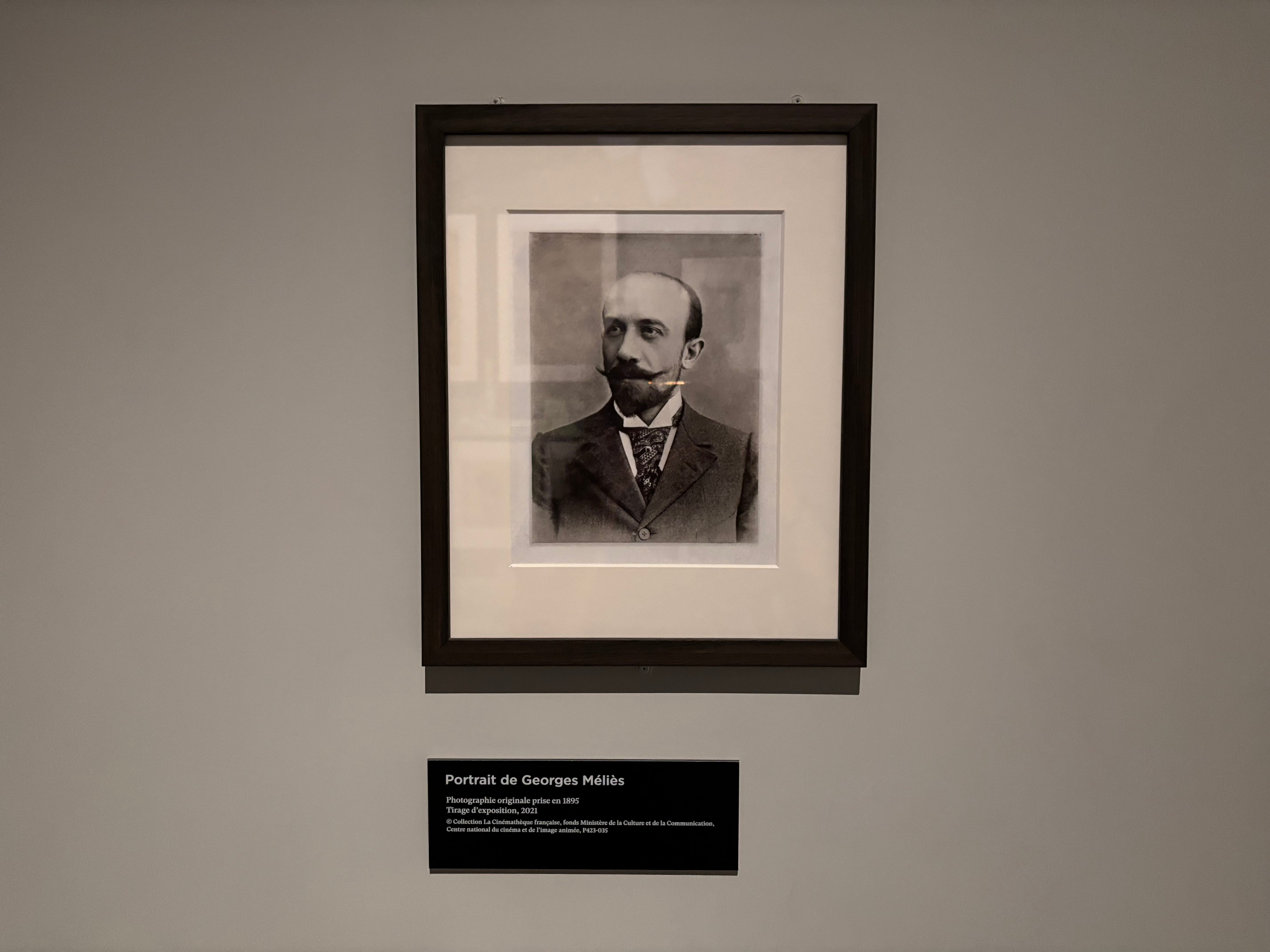
It was mainly during our teenage years that my brothers and I grasped the importance of Méliès’ work. For my part, I was frustrated by the enormous amount of attention given to this deceased ancestor, compared to the interest shown in his living great-grandchildren! He was a kind of ghost, not quite dead, who became more and more alive each time I watched a new film recently rediscovered. He always appeared cheerful, mischievous, and lively, capable of surprising us, performing a back somersault, and making us laugh. As if he were saying: You wanted to forget me? You won’t succeed! I’m a bon vivant for eternity!
I became interested in Méliès 45 years ago, and it’s a privilege to spend my retirement running the Cinémathèque Méliès. The new president, Pascal Friaut, filmmaker and magician, launches projects like The Méliès Day, and helps digitize and restore the films with his new software to create programs that we screen in cinemas, libraries, and universities.
I’m delighted to have succeeded in having my mother’s biography of Méliès translated into English, thanks to the support of one of our members, the American professor Matthew Solomon at the University of Michigan.
The next Cerisy symposium will be fascinating: the circulation of Méliès films worldwide from 1896 to 1914. This will be followed, in 2027 and 2028, by research on the transmission of his films over time and their transformation through digitization, and even artificial intelligence. Films can still be found, like those set in Prague in 2016 and in London in 2025. Almost all the films are available on YouTube, and the adventure continues!
Anne-Marie Malthète-Quévrain, Paris, 20 août 2025
Amazing stuff!
youre the coolest